Dental crowns: when is tooth restoration with a crown necessary?
A dental crown can restore the shape, strength, and chewing function of a damaged tooth. Find out when a crown is needed and what types are available.
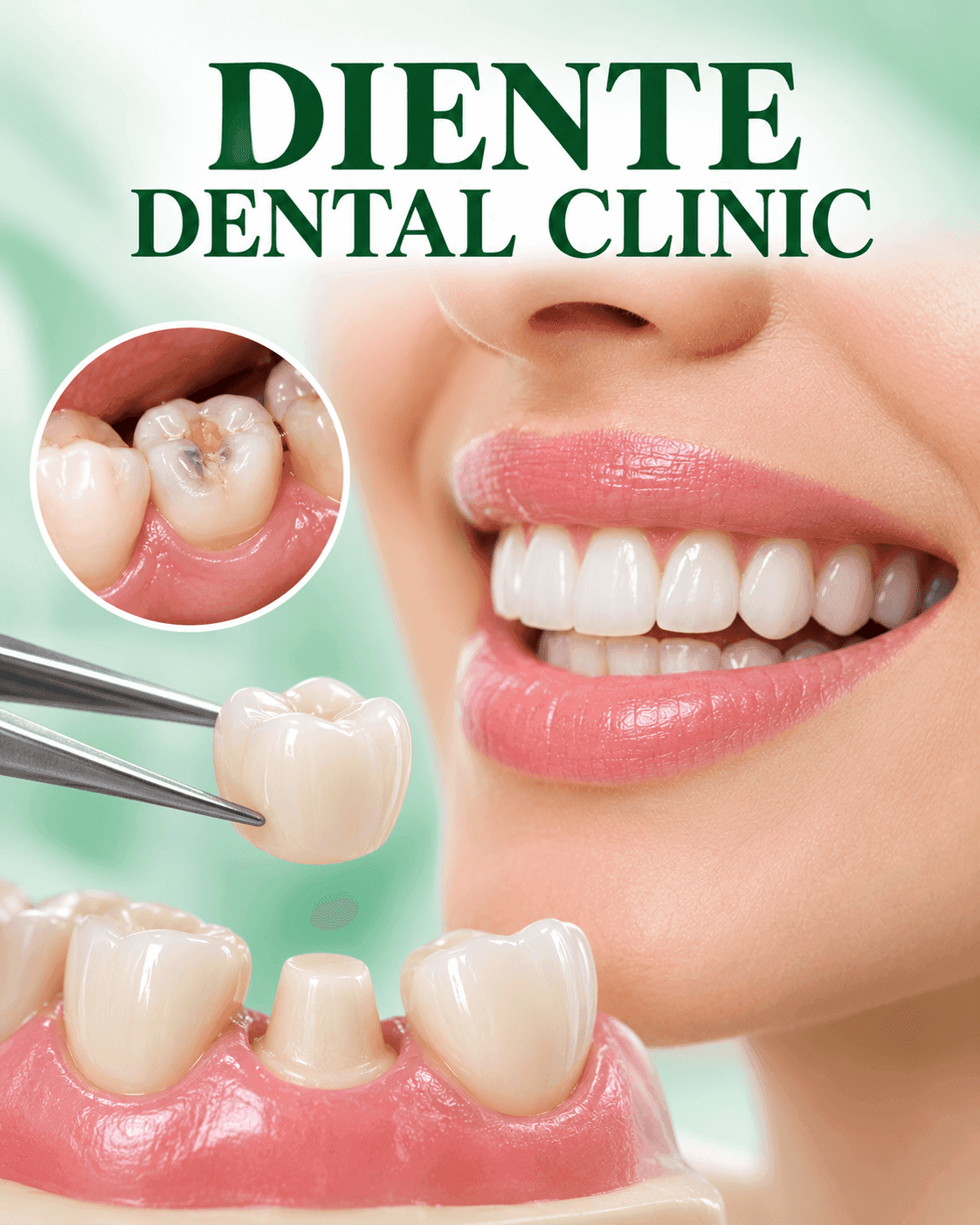
Dental crowns: when is tooth restoration with a crown necessary?
When a tooth is significantly damaged by decay, a crack, or other causes, a regular filling may not be enough to restore it. In such cases, a dentist may recommend a dental crown — a custom-made restoration that covers the visible part of the tooth and helps restore its shape and function.
What is a dental crown?
A dental crown is custom-made and placed over a prepared tooth. It helps protect the damaged tooth, restore chewing function, and provide a natural appearance.
Crowns can be used on both front and back teeth, depending on the type of damage and the treatment goals.
When is a dental crown necessary?
A dentist may recommend a crown in the following situations:
Extensive tooth damage: When a significant portion of the tooth structure has been lost due to decay or previous dental treatments.
After root canal treatment: In some cases, particularly with back teeth, a crown helps protect the weakened tooth from fracture.
A cracked or fractured tooth: If the nature of the damage allows the tooth to be preserved, a crown may help strengthen it.
For aesthetic restoration: When a tooth has significantly changed in shape or colour and other restoration options are not sufficient.
To support a dental bridge: In some cases, crowns are placed on neighbouring teeth to serve as supports for a bridge.
The need for a crown is determined individually. Not every damaged or previously treated tooth necessarily requires one.
What types of dental crowns are available?
Dental crowns differ in the materials used to make them and in their appearance. The most common types include:
Porcelain-fused-to-metal crowns: These have a metal base covered with a ceramic outer layer. They are strong, although they may sometimes look less natural than all-ceramic options.
Zirconia crowns: Made from a strong material, they can provide both durability and an aesthetic appearance.
All-ceramic crowns: These are often chosen for restoring front teeth because of their natural-looking appearance.
The most suitable option depends on the tooth's position, chewing forces, the condition of the remaining tooth structure, and the patient's individual needs.
How is a dental crown placed?
The crown placement process usually involves several stages:
Examination and treatment planning: The dentist assesses the condition of the tooth and, if necessary, recommends an X-ray examination.
Tooth preparation: The tooth is shaped to ensure that the crown can be fitted properly.
Taking impressions or digital scans: A custom-made crown is created to match the tooth's shape and size.
Crown placement: The finished crown is secured onto the tooth, and its fit and bite are checked.
If necessary, a temporary crown may be placed while the permanent one is being made.
How should you care for a tooth restored with a crown?
A dental crown does not replace the need for daily oral hygiene. To help it last as long as possible, it is important to:
Brush your teeth twice a day using fluoride toothpaste.
Clean between your teeth with dental floss or suitable interdental brushes.
Avoid using your teeth to break or bite very hard objects.
Visit your dentist regularly to check the condition of the crown and surrounding gums.
The lifespan of a crown depends on the material, the quality of its fabrication and placement, oral hygiene, and individual factors.
Frequently asked questions
Is getting a dental crown painful?
Tooth preparation is usually performed under local anaesthesia. Temporary sensitivity or discomfort may occur after the procedure.
Can a crown replace a missing tooth?
A crown restores the visible part of an existing tooth, but it does not replace a missing tooth. If a tooth is completely missing, options such as a dental implant, bridge, or removable denture may be considered.
How long does a dental crown last?
The lifespan varies depending on the material, oral hygiene, bite, and other factors. Regular dental check-ups help identify potential problems in time.
Dental restorations at Diente Dental Clinic
At Diente Dental Clinic, our specialists assess each patient's dental condition and recommend an appropriate restoration option based on individual needs.
Address: 75/3 August 23 Street, Artashat Phone: 055 665 488 Website: diente.am