Teeth grinding: Why does it happen and how can you protect your teeth?
Teeth grinding can lead to enamel wear, tooth damage, and jaw pain. Find out what causes bruxism and how to protect your teeth.
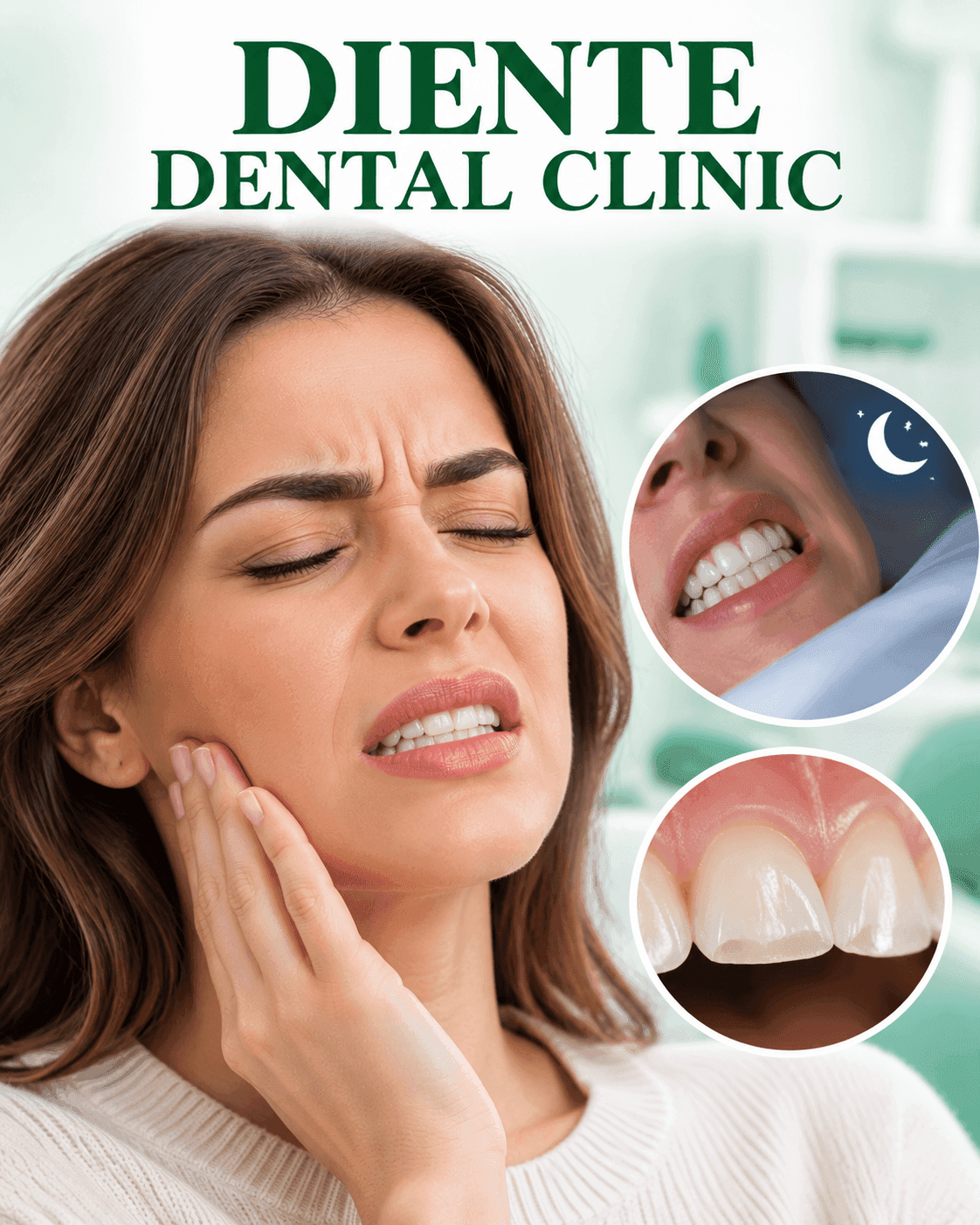
Teeth grinding: Why does it happen and how can you protect your teeth?
Teeth grinding, also known as bruxism, is a condition in which a person unconsciously clenches or grinds their teeth. It can occur both during sleep and throughout the day, often without the person being aware of it. When this habit is frequent or severe, it can damage the teeth and cause pain in the jaw muscles.
Why does teeth grinding occur?
There is not always one clear cause of bruxism. Several factors may contribute to its development, including:
Stress, anxiety, and emotional tension.
Sleep disorders, including sleep apnea.
Frequent consumption of coffee and other caffeinated beverages.
Alcohol consumption and smoking.
The effects of certain medications.
It is important to note that bruxism is not always caused solely by stress or misaligned teeth. In many cases, several contributing factors are involved.
What are the main signs of bruxism?
Many people do not realize that they grind their teeth while sleeping. Family members may be the first to notice the problem, while in other cases, it is identified during a dental examination.
Possible signs include:
Teeth grinding during sleep.
Tooth surface wear, cracks, or fractures.
Tooth sensitivity or pain.
Tension and pain in the jaw muscles, especially in the morning.
Headaches or pain around the ears.
Discomfort when chewing or opening the mouth.
The presence of these symptoms does not necessarily confirm a diagnosis of bruxism, as similar complaints may also be caused by other conditions.
How does bruxism affect your teeth?
Frequent and forceful clenching or grinding places additional strain on the teeth and jaw muscles. Over time, it may lead to enamel wear, tooth cracks or fractures, and damage to existing dental fillings.
If left unaddressed, the condition may increase tooth sensitivity and cause persistent discomfort in the jaw muscles and joints.
How can you protect your teeth from grinding?
The treatment approach depends on the severity of bruxism and its possible causes. To help prevent dental damage, your dentist may recommend a custom-made protective night guard.
It is made to fit your teeth and is usually worn during sleep to protect them from direct contact and damage caused by grinding. A night guard does not necessarily eliminate the underlying cause of grinding, but it can help reduce the risk of tooth damage.
Other helpful measures include:
Maintaining a regular sleep schedule.
Reducing coffee and other caffeinated beverages, especially in the evening.
Limiting alcohol consumption and avoiding smoking.
Being mindful of jaw tension during the day and avoiding unnecessary teeth clenching.
Practicing relaxation techniques to help manage stress.
If grinding may be associated with a sleep disorder or a particular medication, discuss this with the appropriate healthcare professional. Do not stop or change any prescribed medication without medical advice.
When should you see a dentist?
If you notice tooth wear, cracks, sensitivity, morning jaw pain, or if family members tell you that you grind your teeth at night, it is advisable to visit a dentist.
The dentist will examine your teeth, assess the condition of your jaw muscles, and recommend further evaluation or protective measures if necessary.
Early detection is important because it helps prevent further damage to the teeth.
Frequently asked questions
Can teeth grinding occur only at night?
No. Bruxism can occur both during sleep and while you are awake. During the day, it often takes the form of unconscious teeth clenching.
Does a protective night guard treat bruxism?
The main purpose of a night guard is to protect the teeth from wear and damage. It does not always eliminate the underlying cause of grinding, so contributing factors should also be assessed.
Can teeth grinding cause headaches?
Yes. Prolonged tension in the jaw muscles may be accompanied by headaches, facial pain, and discomfort in the morning.
Dental health and protection at Diente Dental Clinic
At Diente Dental Clinic, we emphasize the early detection of dental problems and an individualized approach to treatment. If you notice tooth wear, sensitivity, or pain in your jaw area, consult a dental professional to identify the cause and determine the most appropriate solution.
The clinic offers free consultations. X-ray examinations are provided free of charge when medically indicated and necessary.
Address: 75/3 August 23 Street, Artashat
Phone: 055 665 488
Website: diente.am